s a new year begins, many people take time to reassess their health routines and set intentions for improved well-being. For individuals living with lymphedema, recovering from cancer treatment, or managing a compromised lymphatic system, this reflection is especially meaningful. Manual Lymphatic Drainage (MLD) is not a luxury. It’s an essential component of long-term care, comfort, and mobility. The start of the year offers an ideal opportunity to recommit to consistent lymphatic support.
Why Consistency with Lymphatic Drainage Matters
The lymphatic system plays a vital role in maintaining immune health, managing fluid balance, and supporting tissue recovery. Unlike the circulatory system, the lymphatic system does not have a central pump and relies heavily on movement, breathing, and manual techniques to function efficiently. When this system is impaired, whether due to surgery, radiation, trauma, or chronic conditions, fluid can accumulate, leading to swelling, discomfort, and increased risk of infection.
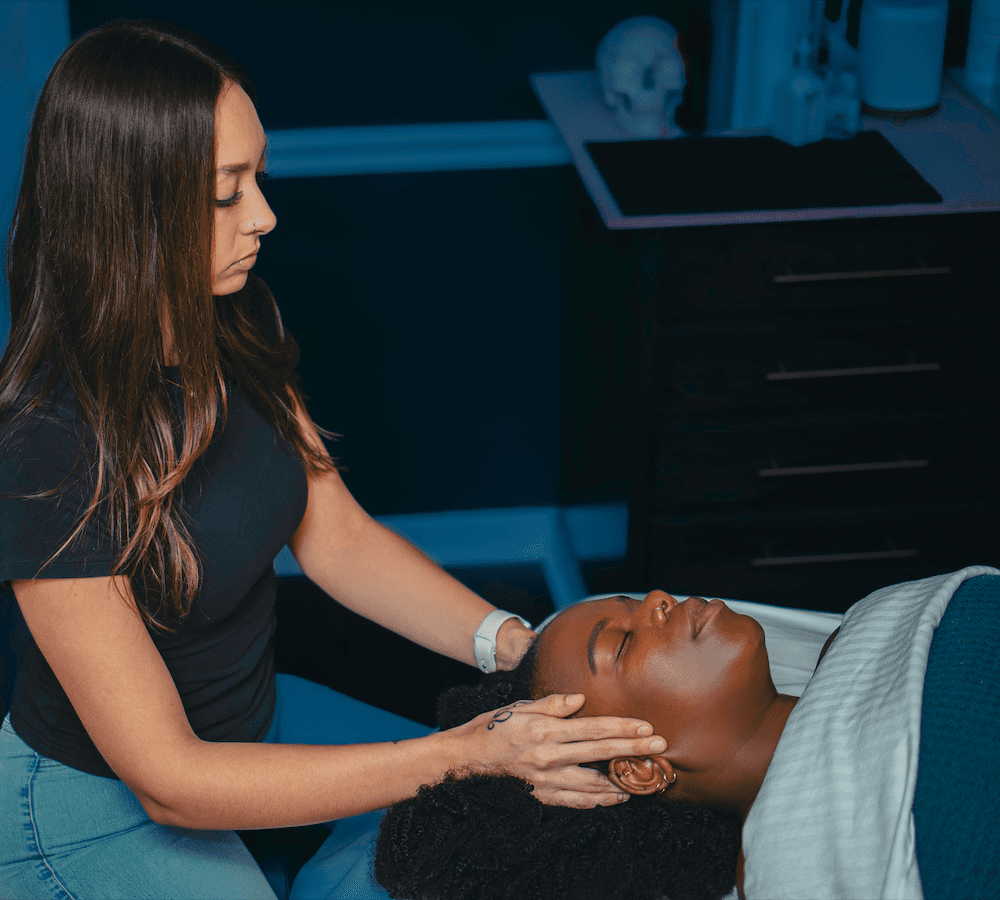
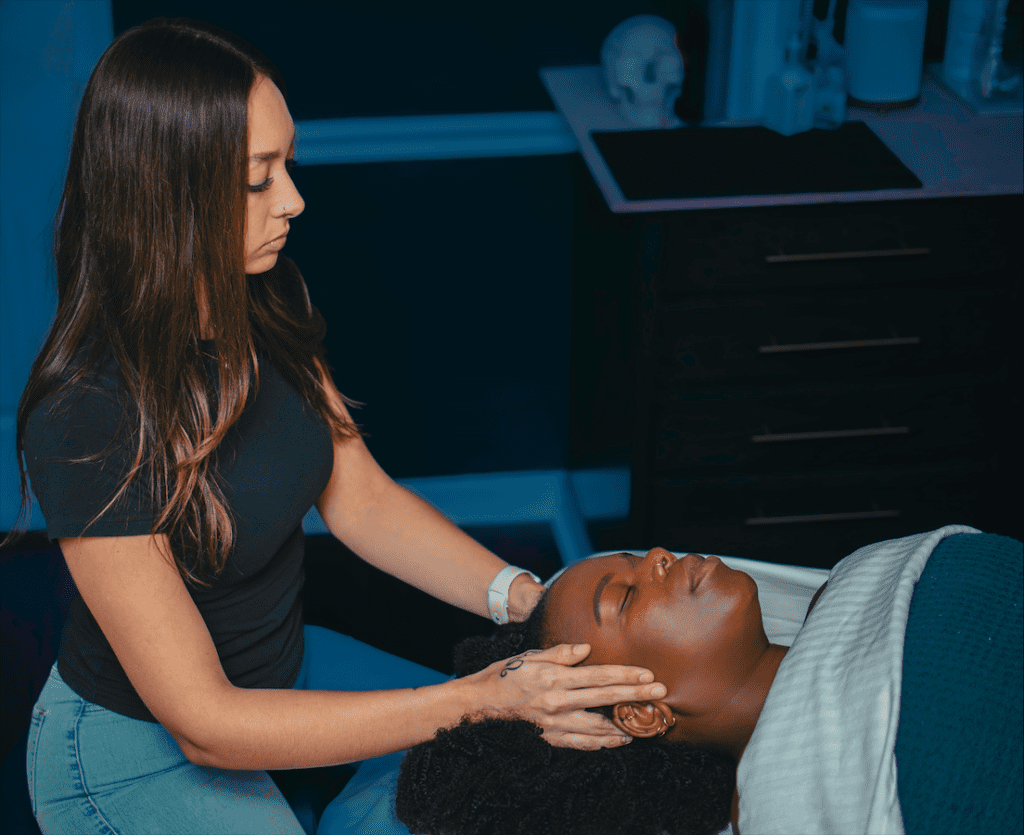
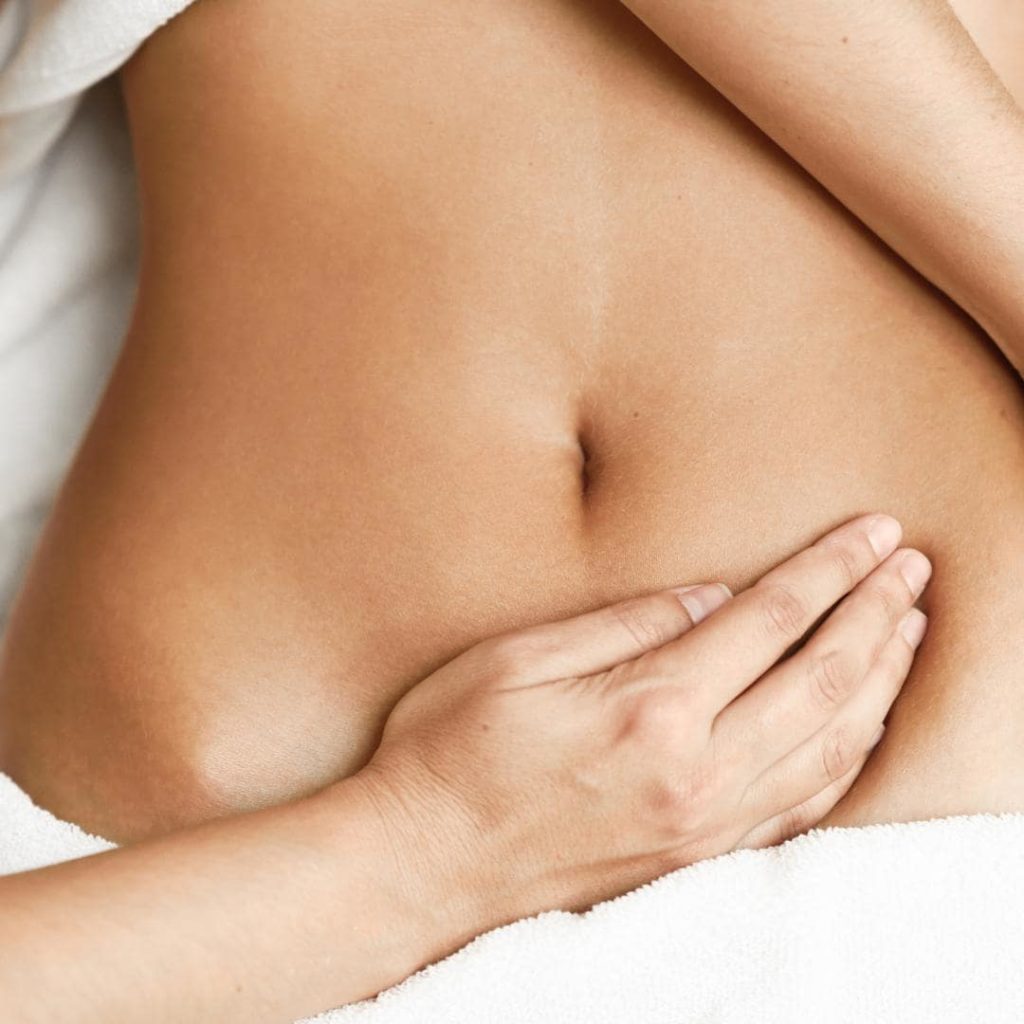
Regular Manual Lymphatic Drainage helps encourage healthy lymph flow, reduces swelling, softens fibrotic tissue, and supports overall immune resilience. For individuals with lymphedema, consistent sessions can mean the difference between manageable symptoms and frequent flare-ups. Rather than viewing MLD as an occasional treatment, it is best approached as an ongoing part of a comprehensive wellness and medical care plan.
The New Year as a Reset for Care Routines
The transition into a new year naturally brings attention to routines: what is working, what has fallen away, and what needs more support. For many people managing chronic conditions, healthcare can become reactive rather than proactive. Appointments get postponed, symptoms are tolerated longer than they should be, and self-care often becomes secondary to daily obligations.
The beginning of the year is an excellent time to shift that mindset. Scheduling regular lymphatic drainage sessions early helps establish consistency before symptoms escalate. It also allows individuals to align MLD with other supportive therapies such as compression, physical therapy, exercise programs approved by their provider, and medical follow-ups.
Supporting Post-Cancer Recovery Through Lymphatic Care
Cancer treatments save lives, but they often leave lasting effects on the lymphatic system. Surgical removal of lymph nodes, radiation therapy, and certain chemotherapies can disrupt lymphatic flow and create long-term vulnerability to swelling and infection. MLD is a highly specialized, gentle technique designed to support the body’s natural drainage pathways and reduce strain on compromised lymph structures.
For cancer survivors, fitting lymphatic drainage into the new year is not simply about managing swelling, It’s about supporting long-term recovery, comfort, and confidence in daily movement. Consistent care can improve range of motion, decrease discomfort, and help individuals feel more in control of their healing process.
Practical Tips for Making Lymphatic Drainage Part of Your Routine
Consistency does not have to feel overwhelming. Here are a few practical ways to integrate lymphatic care into your new year:
- Schedule in advance: Booking sessions several weeks or months ahead increases follow-through and reduces last-minute cancellations.
- Coordinate with medical care: Align MLD sessions with oncology follow-ups, physical therapy, or compression garment fittings for comprehensive support.
- Listen to early symptoms: Subtle increases in tightness, heaviness, or swelling are signals—not inconveniences. Addressing them early prevents progression.
- Practice daily self-care techniques: Simple breathing exercises, light movement, and therapist-guided self-MLD can extend the benefits of in-office sessions.
- Plan financially: Many clients choose to budget for lymphatic care as part of their annual healthcare costs, reinforcing its value as a medical necessity.
A Supportive Start to the Year
At The Supine Studio, lymphatic drainage is not treated as a trend. It’s a deeply intentional, evidence-informed service for individuals who truly need specialized care. Whether you are managing long-standing lymphedema, recovering from cancer treatment, or navigating new symptoms, the new year offers a moment to re-center your care around consistency, comfort, and long-term health.
By making lymphatic drainage part of your regular routine now, you are investing in more than symptom relief, you are supporting your body’s ability to heal, adapt, and thrive throughout the year ahead.