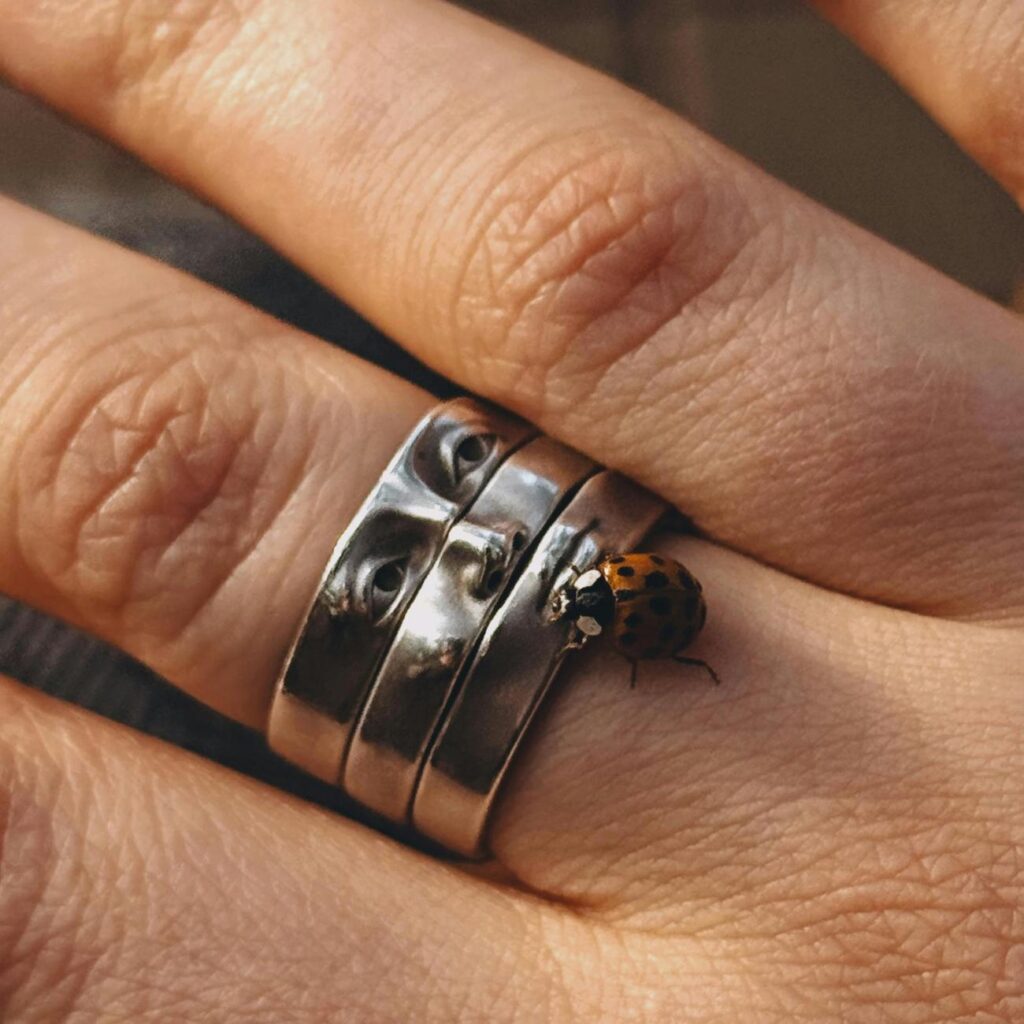
If you’ve ever wondered why your rings feel tight some days, you’re not imagining it. Day-to-day changes in swelling are very common, especially in the hands and fingers.
Some days your rings slide on and off easily. Other days, they feel noticeably snug. The difference often comes down to subtle shifts in fluid balance, circulation, and how your body is responding to your environment and daily habits.
Understanding why this happens can help you recognize what your body may be responding to and when it might need a little extra support.
Why Do My Rings Feel Tight Some Days but Not Others?
The short answer is that your body is constantly adjusting how it holds and moves fluid. These small fluctuations can show up quickly in areas like the fingers, where there is less space for expansion.
A few common factors can contribute to this:
Temperature
Warmer weather can cause blood vessels to expand, which may lead to more fluid moving into the surrounding tissues. This can make your fingers feel fuller and your rings tighter.
Sodium and hydration
Higher sodium intake can encourage the body to hold onto more fluid. At the same time, not drinking enough water can make it harder for your system to maintain balance, leading to temporary swelling.
Activity level
Long periods of sitting or standing can slow circulation and fluid movement. On the other hand, repetitive use of the hands can also lead to mild inflammation, which may make rings feel tighter.
Hormonal changes
Hormonal shifts, including those related to menstrual cycles, can affect how the body retains fluid. This can cause noticeable changes in the hands and fingers from one day to the next.
Time of day
Many people notice more swelling later in the day. After hours of being upright, fluid can naturally settle in the lower extremities and sometimes the hands as well.
When It’s Likely Just Water Retention
In many cases, occasional tightness in your rings is related to temporary water retention. This type of swelling tends to:
- come and go throughout the day or week
- improve with movement or elevation
- feel soft rather than firm
- affect both hands in a similar way
These patterns are usually influenced by daily habits and environmental factors rather than an underlying condition.
When It Might Be Something More
If the swelling feels more consistent or doesn’t follow the usual patterns, it may be worth paying closer attention.
You may want to seek guidance if:
- one hand or finger is consistently more swollen than the other
- the swelling does not improve with rest
- the area feels tight, heavy, or different over time
- your rings no longer fit at all, even on “good” days
These patterns can sometimes point to issues with circulation or the lymphatic system, which benefit from more targeted support.
Supporting Healthy Fluid Movement
If your rings feel tight from time to time, small adjustments can often help your body move fluid more comfortably.
Some simple ways to support this include:
- staying well hydrated throughout the day
- taking breaks to move, especially if you sit for long periods
- gently stretching or opening and closing your hands
- being mindful of sodium intake when possible
When swelling lingers or starts to follow a more consistent pattern, it can be a sign that your body may need more support with fluid movement.
This is where manual lymphatic drainage can be especially helpful. Rather than forcing anything to change, it works with the body’s natural pathways to encourage fluid to move more efficiently. At The Supine Studio, this approach is tailored to what your body is already doing, helping reduce that feeling of fullness or tightness in areas like the hands and fingers.
Paying Attention to the Pattern
One of the most useful things you can do is notice when the swelling happens and what might be influencing it. Patterns often tell a clearer story than any single moment.
If your rings feel tight more often than they should, or the swelling doesn’t seem to resolve the way it used to, it may be worth taking a closer look. With the right support, your body can often return to a more comfortable baseline, and those day-to-day fluctuations can become much less noticeable.